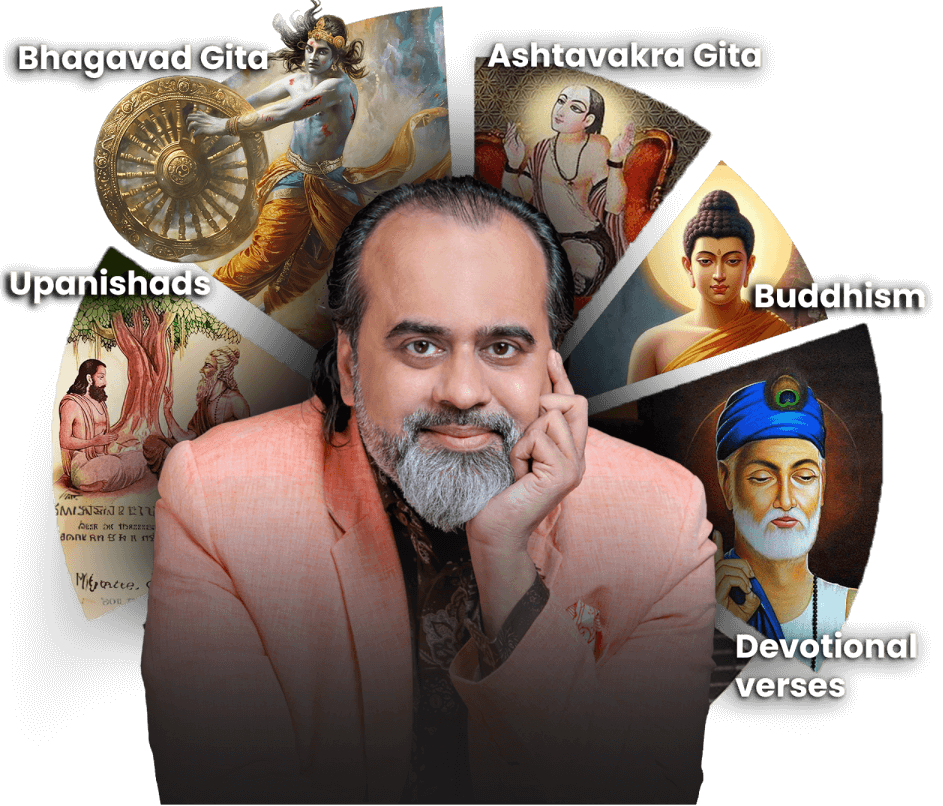


"Look closely at what usually passes for happiness: A promotion, a holiday, approval, entertainment."
This summary is AI-generated. Please read the full article for complete understanding.
We are constantly told that the purpose of life is to be happy. It sounds harmless, and very few people ever question it. Yet hidden inside this advice is the seed of lifelong dissatisfaction.
The one who is always chasing has already accepted something, though he may never put it into words: he believes himself to be incomplete. And a mind that feels incomplete cannot receive anything lasting. It may feel excitement or relief for a while, but it cannot settle. Look closely at what usually passes for happiness: A promotion, a holiday, approval, entertainment. None of these are wrong by themselves. But notice how they work. They feel meaningful only because the inner state is already restless and hungry. Happiness is not an independent experience. It is a reaction, a short easing of discomfort, a small rise in the emotional graph produced by changing conditions. And because conditions never stay put, happiness keeps collapsing. This is not accidental. Happiness, as we understand it today, is largely a conditioned phenomenon. We have been trained to call certain excitements happiness. The thrill of buying something new, the warmth of approval, the comfort of being noticed. Over time, these associations become fixed.